Sewer Excavation: What Homeowners Must Know
Have you noticed slow drains or frequent backups in your home plumbing? These issues may signal problems with your underground sewer lines that could require sewer excavation in Cincinnati, OH.
This article explains what excavation involves, common reasons it becomes necessary, and how the process can affect your property. Understanding these details can help you feel more confident if you ever face sewer line repairs.
Common Scenarios Requiring Sewer Excavation
Several situations typically prompt the need for sewer excavation in Cincinnati, OH:
- Collapsed Sewer Pipes: Over time, sewer pipes can crack, break, or collapse due to age, soil movement, or poor initial installation. When this happens, blockages and sewage backups can affect your home’s plumbing and health.
- Severe Root Intrusion: Tree roots naturally seek moisture and can infiltrate joints or cracks in your sewer pipe. This root invasion can cause serious clogs, pipe deformation, or breakage that require excavation to access and fix.
- Aging Sewer Systems: Many homes in Cincinnati have sewer systems installed decades ago made from outdated materials like clay or cast iron. These older pipes are more prone to leaks and failures.
- Heavy Ground Shifts or Construction Damage: Local construction or natural ground movement can damage underground sewer lines, necessitating excavation and repair.
In each of these scenarios, professional inspections provide accurate assessments to determine if excavation is the right solution to protect your home.
The Step-by-Step Sewer Excavation Process in Cincinnati, OH
Knowing what to expect can make a sewer excavation project less intimidating. Typically the process involves the following steps:
1. Detailed Inspection and Diagnosis
Professionals often start with a video camera inspection inside the sewer lines. This modern technology pinpoints the exact location and severity of damage without unnecessary digging.
2. Planning and Utility Marking
Before excavation, underground utilities such as water, gas, and electrical lines are carefully marked. This ensures safety and prevents accidental damage during digging.
3. Site Preparation and Protection
Crews prepare the site by clearing belongings and placing mats or plywood on lawns and driveways to protect the property from heavy equipment.
4. Excavation
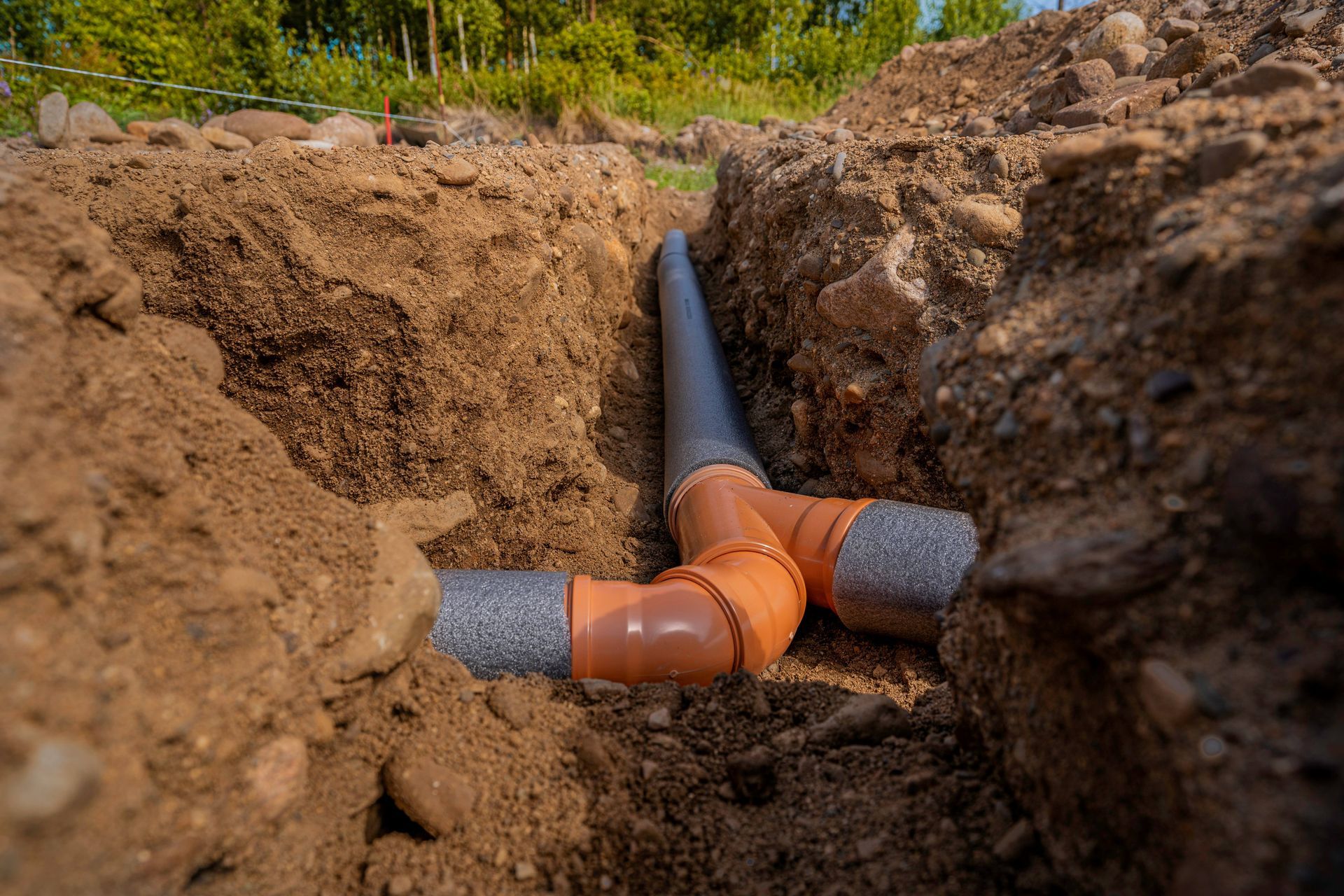
Using backhoes and hand tools, crews carefully expose the damaged pipe sections. The size and depth of digging depend on your home’s layout and issue location.
5. Pipe Replacement or Repair
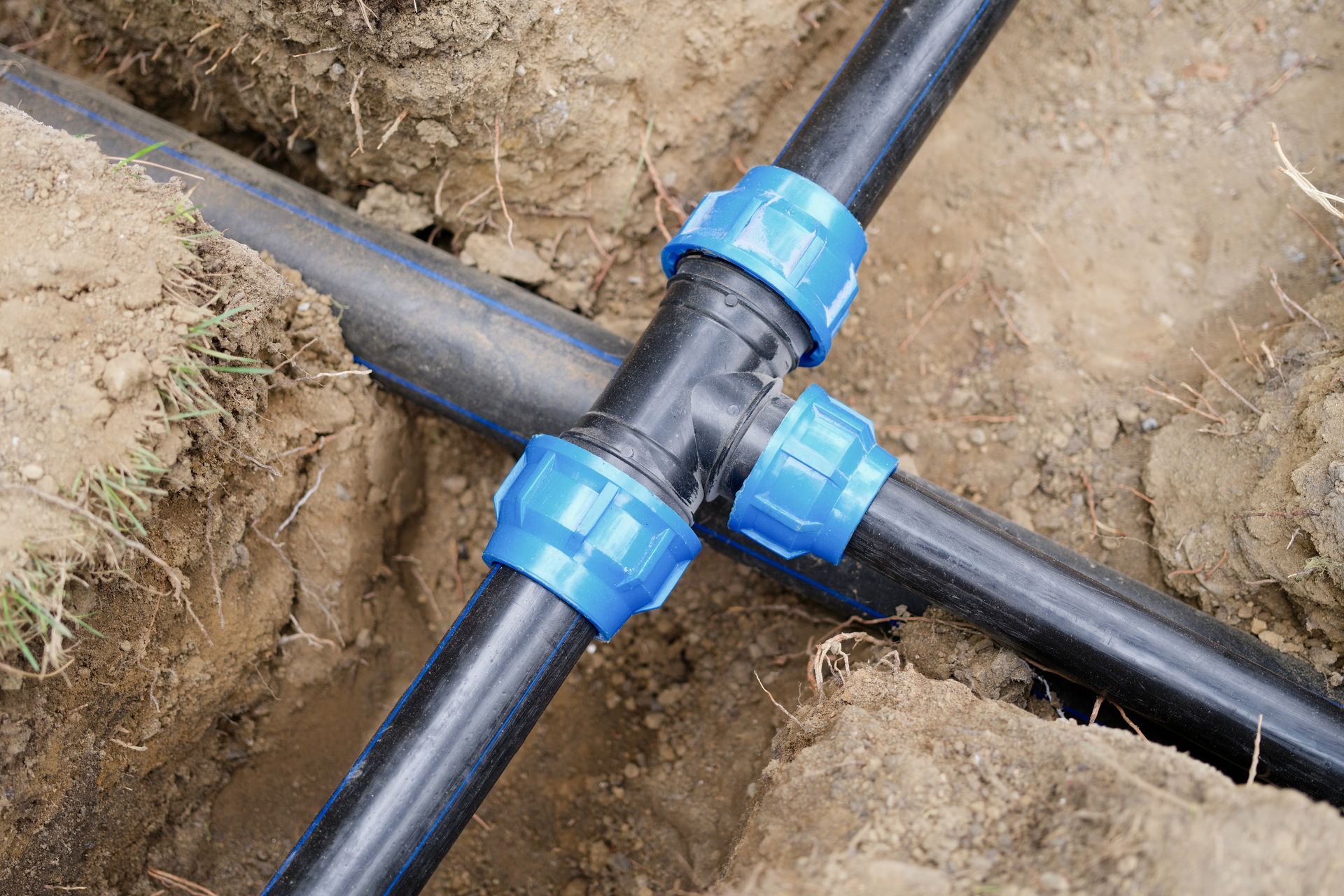
Damaged pipes are removed and replaced with durable materials such as PVC or HDPE. Some sections may be repaired if possible.
6. Testing and Inspection
The repaired system is flushed and tested to verify there are no leaks or blockages.
7. Backfilling and Restoration
The trench is filled back with soil, and landscaping is restored by laying sod, replanting shrubs, or fixing paved areas.
The duration of this process varies based on damage severity and weather conditions but typically ranges from one day to a week. Throughout the project, crews communicate progress and any changes.
How Sewer Excavation Professionals Protect Your Property
A common homeowner concern is potential damage to lawns, plants, or driveways during excavation. Experienced professionals use several methods to minimize this:
- Laying plywood or mats to spread the weight of machinery and avoid deep tire marks or soil compaction.
- Removing and storing topsoil, grass, and plants before digging, then carefully replacing them afterward.
- Restricting heavy equipment movement to designated paths.
- Using hand digging near delicate plants or structures to reduce impact.
These precautions help keep your property intact and reduce restoration needs after sewer repairs.
Preparing Your Home and Yard for Sewer Excavation
Preparation on your part can make excavation more efficient. Consider these tips before work begins:
- Remove vehicles, garden furniture, toys, and other items from the work area.
- Trim trees and bushes around the excavation site to provide better access.
- Inform family members about possible noise or water service interruptions.
- Secure pets and children away from the construction area.
- Discuss parking and equipment access with your contractor.
Preparing the site helps crews work quickly and safely, minimizing disruption to your routine.
Maintaining Your Sewer System After Excavation
Following sewer excavation, good maintenance practices help preserve the health of your sewer lines:
- Avoid planting trees or large shrubs near sewer pipes to prevent root intrusion.
- Do not flush non-degradable items or grease down drains.
- Schedule regular sewer inspections, especially for older systems.
- Address minor plumbing issues early before they turn into bigger problems.
These steps reduce the likelihood of future sewer excavation projects and costly repairs.
Take the Next Step With Getz in Cincinnati, OH
When sewer troubles arise, timely action is important to protect your home. If you are facing sewer line issues and need professional excavation in Cincinnati, OH, Getz is ready to help. Our experienced team focuses on quality workmanship, property protection, and clear communication from start to finish.
To schedule an inspection or ask questions, call us at
(616) 439-4389. For more details or to contact us online,
visit our contact page. Trust Getz for reliable sewer excavation services that safeguard your Cincinnati home and give you peace of mind.